

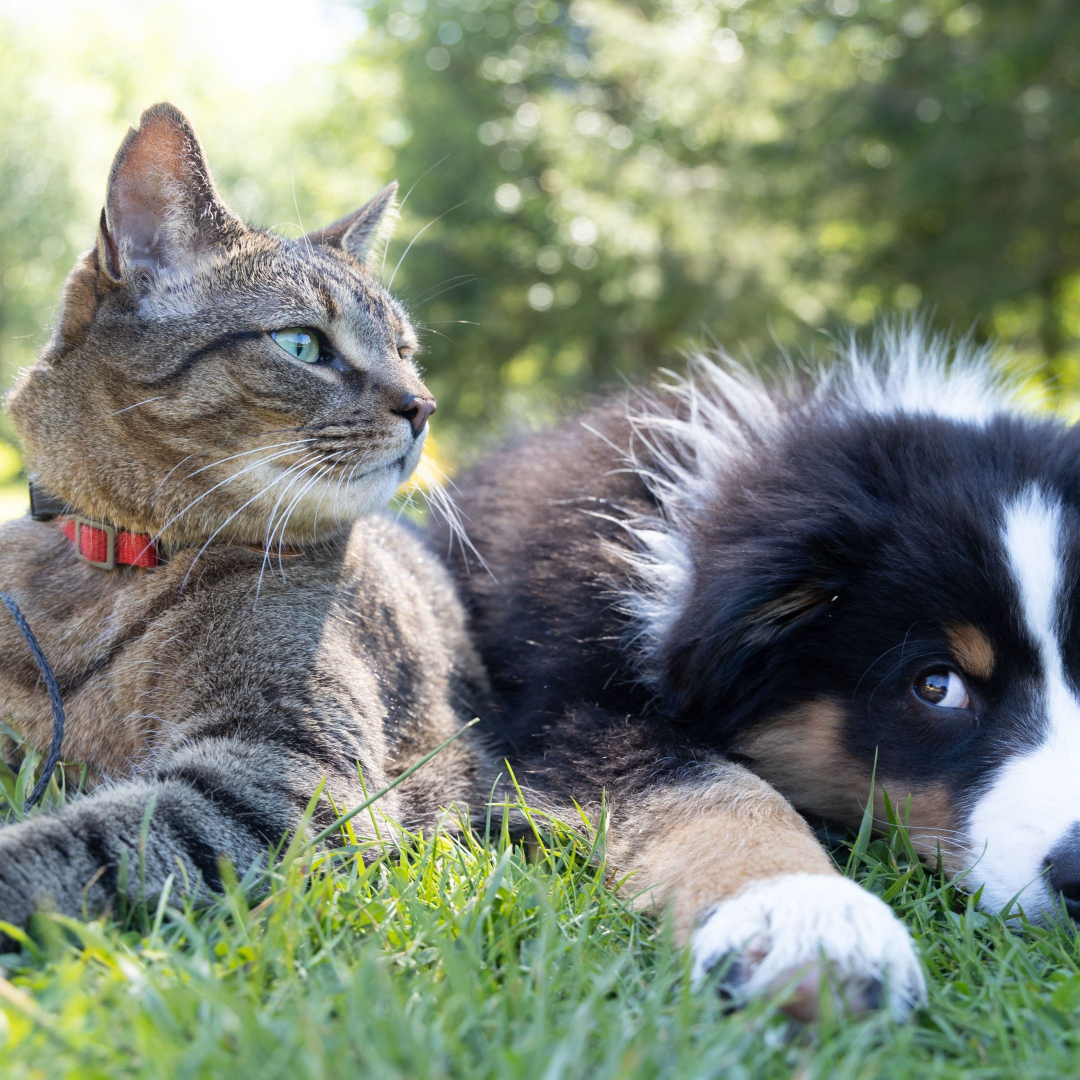
Pets can quickly become part of the family, particularly dogs and cats. It is natural to want to ensure they are cared for after you pass away. Some pets outlive their owners, and there is often no plan in place. Pets are not the first thing we think of when it comes to estate planning, but making provisions for them in the event of your death is sensible. Here we look at how to do that.
A Home for Your Pets
Pets can be overlooked during the time following the death of a loved one, but they definitely need to be considered. If you are a pet owner and are unsure how to plan for your pets after you die, don’t panic – you can make provisions for them in your will. Firstly, you should decide who can (and would want to) care for your animals. For example, having your spritely dog go to someone who lives alone and works long hours or having your cats go to live on the 10th floor is no use.
Once you have decided who is best to look after your pets, you should discuss this with them. Some people may not feel comfortable with this, and this gives them a chance to tell you that. This reduces the chance of your pets being given to a shelter due to being allocated to someone who is either unable to or unwilling to care for them. Just because your friend likes dogs does not mean they will want to own one. Maybe they have other pets, small children or are planning on starting a family. Perhaps the dog daycare fees are too much, and they are someone who travels a lot. All of this should be considered.
A good way to ensure your pet will be looked after is to appoint a beneficiary and a substitute beneficiary. If the original person cannot help or passes away first, you have a backup one. Not everybody will have this option, but it is a good idea to do it if possible.
Financial Provision for Your Pets
Pets are not cheap, especially if you have a large dog, multiple pets or those with specific health conditions and needs. You can leave a monetary gift to the beneficiary that will care for your pets to help with vet bills and dietary requirements for your pet. This should be on the condition that they agree to take care of the pet after your death. If you have specific instructions you want to inform the beneficiary of, these can be detailed in a Letter of Wishes that is kept alongside the will.
If no one can care for your pet in the event of your death, you can leave them to a specific charity instead. The RSPCA ‘Home for Life’ scheme allows pet owners to register their pets to help rehome them after you pass away.
Contact Probate Forms for probate advice on 0209 9859553.