

When people draft a will, they usually concentrate on the expensive items, such as property, stocks and shares, pensions, and insurance. However, an estate is much more than that. This blog looks at personal chattels – what they are and how they are managed during the probate process.
What are Personal Chattels?
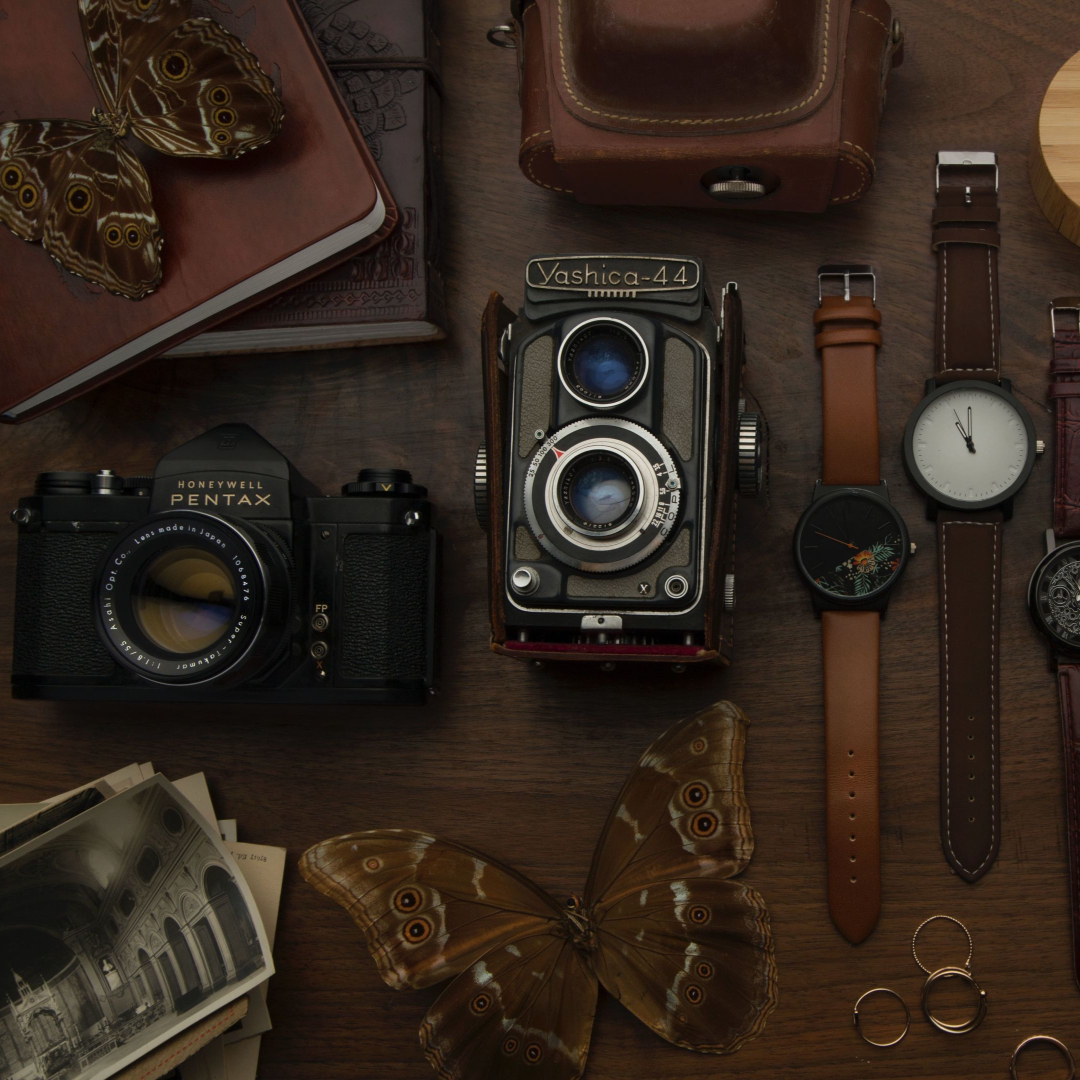
In a nutshell, chattels refer to the personal property found in a deceased person’s estate. That is, the things they own and use on a daily basis. Consider them as items that you can move or pick up, such as laptops, jewellery, clothing, cars, cameras, furniture, art, wine collections, and pets. This rule has three exceptions, which are as follows:
- Money
- Property used primarily or exclusively for business
- Investment property held at the time of death
Personal Chattel valuation
You undoubtedly want to make things as simple as possible for your executors, but some things are easier to judge than others. In order to maximise the amount that your beneficiaries will eventually receive after your death, you should also avoid any inheritance tax consequences that can affect your estate.
The best course of action when dealing with specialised things is to consult an expert. For example, if you have a stamp or coin collection, you would need someone who works in that field. Other examples could be vinyl, wine, jewellery or vintage figures and toys. As for any vehicles and your household furniture, your executors will need to rely on the open market. These items can be sold at auctions, or you can look online to determine their value.
Personal Cattels and Inheritance Tax
The worth of the entire estate includes personal belongings. Therefore, having them appraised appropriately is crucial. This will assist you in allocating assets in line with your desires. For example, if you are dividing your estate equally between two or three people, you should be clear about the value of the chattels to ensure an equitable distribution. Additionally, it will enable you to determine which items you might want to give as gifts, which will therefore be free from inheritance tax. For example, some gifts given by spouses or civil partners while they are still living may be completely exempt from inheritance tax, while other donations may be subject to tapered relief, which is a reduction in inheritance tax over the relevant limits.
Contact Probate Forms for probate advice on 0209 9859553.